
Introduction
Many people imagine Australia as a land of beaches, deserts, kangaroos, and wide open plains. But one common question is: does Australia have mountains?
The simple answer is yes, Australia does have mountains. In fact, the country has several mountain ranges, high peaks, alpine regions, forested hills, and scenic plateaus. Australia may not have mountains as tall as the Himalayas, Andes, or Rockies, but its mountain landscapes are still very important for nature, tourism, climate, rivers, wildlife, and Australian history.
From the snowy peaks of the Australian Alps to the famous Blue Mountains near Sydney, Australia has a wide variety of mountain areas. Some mountains are covered with snow in winter, while others are ancient rocky formations shaped by millions of years of erosion.
This guide explains everything in simple language: where Australia’s mountains are located, how high they are, which ranges are famous, and why they matter.
Does Australia Have Mountains?
Yes, does Australia have mountains is a question with a clear answer: Australia definitely has mountains.
Australia has many mountain ranges across different states and territories. The most famous mountain system is the Great Dividing Range, which runs along the eastern side of the country. This long mountain chain stretches through Queensland, New South Wales, and Victoria.
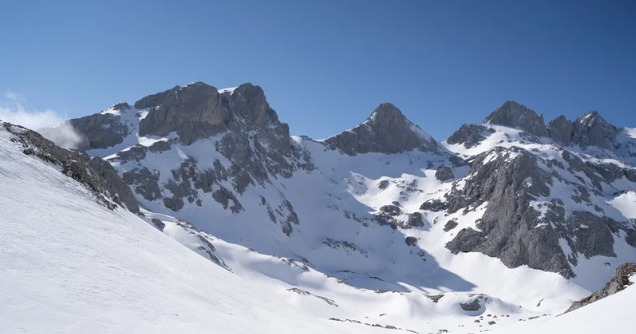
Australia also has alpine mountains, especially in the Australian Alps. These mountains receive snow during winter and are home to ski resorts, hiking trails, national parks, and unique wildlife.
However, Australia is generally a low and flat continent compared to many other parts of the world. Its mountains are older and more eroded, which means they are usually not as sharp or tall as younger mountain ranges in Asia, Europe, or the Americas.
Why Do People Think Australia Has No Mountains?
Many people think Australia has no mountains because the country is often shown through desert landscapes, beaches, coral reefs, and flat outback roads.
Australia is also known as one of the flattest continents on Earth. Large parts of the country are dry, open, and low-lying. Because of this, some people assume the whole country is flat.
But this is not true. Australia has mountains, hills, cliffs, plateaus, valleys, and highland areas. The difference is that Australian mountains are usually not extremely high by global standards.
For example, Mount Everest is over 8,800 meters high, while Australia’s highest mountain, Mount Kosciuszko, is 2,228 meters high. So, Australia has mountains, but they are not among the tallest in the world.
Highest Mountain in Australia
The highest mountain on mainland Australia is Mount Kosciuszko. It is located in New South Wales, inside Kosciuszko National Park.
Mount Kosciuszko stands at 2,228 meters above sea level. It is part of the Snowy Mountains, which are included in the Australian Alps.
Mount Kosciuszko is a popular destination for hikers, nature lovers, and tourists. Unlike many high mountains around the world, it is not extremely difficult to climb. There are walking tracks that make it accessible for many visitors, especially during warmer months.
In winter, the surrounding region becomes a popular snow and ski destination. This surprises many people because they do not expect Australia to have snowy mountains.
The Great Dividing Range
The Great Dividing Range is the most important mountain range in Australia. It is also one of the longest land-based mountain ranges in the world.
This range stretches for more than 3,000 kilometers along Australia’s eastern side. It begins in northern Queensland and continues through New South Wales and Victoria.
The Great Dividing Range affects Australia’s weather, rivers, forests, farming areas, and settlement patterns. Many towns and cities are located near or around this range.
This mountain system includes many smaller ranges, highlands, and plateaus. Some parts are rugged and forested, while others are gentle hills or elevated farming regions.
The Great Dividing Range is important because it separates the wetter coastal areas from the drier inland regions. Rain often falls on the eastern side, while the inland side receives less rainfall.
The Australian Alps
The Australian Alps are the highest mountain region in Australia. They are located across New South Wales, Victoria, and the Australian Capital Territory.
This area includes some of Australia’s tallest peaks, including Mount Kosciuszko. The Australian Alps are famous for snow, skiing, national parks, alpine plants, and mountain wildlife.
In winter, many people visit ski resorts such as Thredbo, Perisher, Falls Creek, and Mount Buller. These places attract tourists who want to enjoy snow sports, mountain views, and winter holidays.
In summer, the Australian Alps become popular for hiking, camping, cycling, fishing, and nature photography.
The Australian Alps prove clearly that the answer to does Australia have mountains is yes.
The Snowy Mountains
The Snowy Mountains are part of the Australian Alps and are located in New South Wales. This region contains Australia’s highest peaks and some of its most famous alpine scenery.
The Snowy Mountains are important for tourism, water resources, hydroelectric power, and outdoor recreation.
One of the biggest projects in Australian history, the Snowy Mountains Scheme, was built in this region. It helped generate electricity and provide water for farming and communities.
The Snowy Mountains are also known for their beautiful landscapes, including rivers, lakes, valleys, wildflowers, and snow-covered slopes in winter.
For visitors, this is one of the best places in Australia to experience true mountain scenery.
The Blue Mountains
The Blue Mountains are another famous mountain region in Australia. They are located in New South Wales, west of Sydney.
This area is known for dramatic cliffs, deep valleys, eucalyptus forests, waterfalls, and scenic lookouts. The name “Blue Mountains” comes from the blue haze created by oil droplets released from eucalyptus trees.
The Blue Mountains are very popular with tourists because they are close to Sydney. Many people visit the area for day trips, hiking, photography, and sightseeing.
One of the most famous landmarks in the Blue Mountains is the Three Sisters rock formation near Katoomba.
Although the Blue Mountains are not extremely high, they are one of Australia’s most iconic mountain landscapes.
Other Important Mountain Ranges in Australia
Australia has many other mountain ranges apart from the Great Dividing Range, Australian Alps, Snowy Mountains, and Blue Mountains.
Some important examples include:
Flinders Ranges
The Flinders Ranges are located in South Australia. They are known for ancient landscapes, red rock formations, wildlife, and outback scenery.
This region is much older than many mountain areas in the world. It is popular for hiking, camping, photography, and learning about Australia’s geology.
MacDonnell Ranges
The MacDonnell Ranges are located in the Northern Territory near Alice Springs. These mountains are famous for their desert landscapes, rocky gaps, waterholes, and cultural importance.
They show a different side of Australian mountains because they are dry, rugged, and located in the heart of the country.
Stirling Range
The Stirling Range is located in Western Australia. It includes Bluff Knoll, one of the highest peaks in the state.
This range is known for biodiversity, wildflowers, hiking trails, and occasional snowfall during cold weather.
Grampians
The Grampians, also known as Gariwerd, are located in Victoria. They are famous for sandstone mountains, waterfalls, walking tracks, Aboriginal rock art, and beautiful views.
The Grampians are a popular weekend travel destination and one of Victoria’s most scenic mountain areas.
Are Australia’s Mountains Tall?
Australia’s mountains are not very tall compared to mountains in other continents.
The highest mountain on mainland Australia, Mount Kosciuszko, is 2,228 meters high. This is much lower than famous mountains like Mount Everest, Mont Blanc, or Mount Kilimanjaro.
But height is not the only thing that makes mountains important. Australia’s mountains are valuable because they support rivers, forests, wildlife, tourism, climate balance, and cultural heritage.
Many Australian mountains are very old. Over millions of years, wind, rain, rivers, and natural erosion have worn them down. That is why they often look smoother and lower than younger mountain ranges.
Does Australia Have Snowy Mountains?
Yes, Australia has snowy mountains.
The Australian Alps and Snowy Mountains receive snow during winter. These areas are popular for skiing, snowboarding, snow play, and winter tourism.
Snow usually falls in the higher parts of New South Wales, Victoria, and Tasmania during the colder months.
Popular snow destinations include:
Perisher
Thredbo
Mount Buller
Falls Creek
Mount Hotham
Charlotte Pass
This surprises many international visitors because Australia is often seen as a hot country. While much of Australia is warm or dry, its mountain regions can become cold and snowy.
Mountains in Tasmania
Tasmania, Australia’s island state, also has many mountains.
Tasmania is more mountainous than many people expect. It has rugged peaks, forests, lakes, and national parks. The highest mountain in Tasmania is Mount Ossa, which reaches 1,617 meters.
Tasmania’s mountains are popular for hiking and adventure tourism. Famous areas include Cradle Mountain, Mount Wellington, and the Central Highlands.
Cradle Mountain is especially well-known for its dramatic beauty and walking trails. It is one of Tasmania’s most photographed natural landmarks.
Why Are Australian Mountains Important?
Australia’s mountains are important for many reasons.
First, they help create rivers and water systems. Rainfall in mountain areas flows into rivers that support farming, cities, forests, and wildlife.
Second, mountains help shape weather patterns. The Great Dividing Range, for example, affects rainfall between the coast and inland areas.
Third, mountain regions support unique plants and animals. Some species live only in alpine or highland environments.
Fourth, mountains are important for tourism. Millions of people visit places like the Blue Mountains, Snowy Mountains, Grampians, and Cradle Mountain every year.
Finally, mountains have cultural and historical importance. Many mountain areas are connected to Aboriginal heritage, stories, and traditional lands.
Wildlife in Australian Mountains
Australian mountain areas are home to many animals and birds.
In alpine regions, visitors may see wombats, wallabies, possums, echidnas, and many types of birds. Some mountain species are specially adapted to cold conditions.
The mountain pygmy-possum is one example of a rare alpine animal found in Australia. It lives in rocky alpine areas and depends on mountain habitats.
Forested mountain areas also support koalas, lyrebirds, cockatoos, reptiles, and insects.
Because mountain ecosystems can be sensitive, conservation is very important. Climate change, tourism pressure, fires, and habitat loss can affect these environments.
Best Mountain Places to Visit in Australia
If someone wants to experience Australian mountains, there are many great places to visit.
Mount Kosciuszko
Best for hiking, alpine views, and seeing Australia’s highest mainland peak.
Blue Mountains
Best for day trips from Sydney, waterfalls, cliffs, and scenic lookouts.
Snowy Mountains
Best for skiing, snowboarding, hiking, and national park adventures.
Grampians
Best for rock formations, wildlife, waterfalls, and Aboriginal cultural sites.
Cradle Mountain
Best for dramatic scenery, hiking, lakes, and photography in Tasmania.
Flinders Ranges
Best for outback mountains, ancient landscapes, and road trips.
Each of these places shows a different side of Australia’s mountain geography.
Difference Between Australian Mountains and Other World Mountains
Australian mountains are different from many famous mountain ranges around the world.
The Himalayas, Alps, Rockies, and Andes are much taller and more dramatic. They have sharp peaks, glaciers, and very high altitudes.
Australian mountains are generally older, lower, and more eroded. They often have rounded shapes, forested slopes, plateaus, and wide valleys.
But this does not make them less interesting. Australian mountains are unique because they combine ancient geology, native wildlife, eucalyptus forests, alpine snowfields, and outback landscapes.
So, when asking does Australia have mountains, the better answer is: yes, Australia has mountains, but they are different from the tallest mountain ranges in the world.
Are Australian Mountains Good for Hiking?
Yes, Australian mountains are excellent for hiking.
There are trails for beginners, intermediate walkers, and experienced hikers. Some trails are short and easy, while others take several days.
Popular hiking routes include:
Mount Kosciuszko Summit Walk
Grand Canyon Walk in the Blue Mountains
Overland Track in Tasmania
Pinnacle Walk in the Grampians
Larapinta Trail in the Northern Territory
Hiking in Australian mountains gives visitors a chance to see forests, cliffs, waterfalls, wildlife, wildflowers, and wide scenic views.
Before hiking, visitors should check weather conditions, carry water, wear proper shoes, and follow safety signs.
Do People Live in Australian Mountain Areas?
Yes, people live in and around many mountain areas in Australia.
There are mountain towns, farming communities, tourist villages, and regional cities near highland areas.
Examples include Katoomba in the Blue Mountains, Jindabyne near the Snowy Mountains, and Bright near the Victorian Alps.
Many people choose these areas for their cooler weather, natural beauty, peaceful lifestyle, and tourism opportunities.
Some mountain towns become very busy during holiday seasons, especially in winter ski areas and popular national parks.
Australia’s Mountains and Tourism
Mountain tourism is a major part of Australia’s travel industry.
Visitors come for skiing, hiking, camping, photography, road trips, wildlife watching, and nature holidays.
The Blue Mountains are especially popular because they are close to Sydney. The Snowy Mountains attract winter tourists. Tasmania’s mountains attract hikers and adventure travelers.
Mountain regions also support local businesses such as hotels, restaurants, tour operators, ski resorts, transport services, and outdoor equipment shops.
This makes mountains important not only for nature but also for local economies.
Common Misconceptions About Australian Mountains
One common misconception is that Australia is completely flat. This is false. Australia has many mountain ranges and highland areas.
Another misconception is that Australia never gets snow. This is also false. Snow falls in the Australian Alps, Snowy Mountains, parts of Victoria, and Tasmania.
Some people also believe Australian mountains are not worth visiting because they are not very tall. But mountain beauty is not only about height. Australia’s mountains offer forests, wildlife, waterfalls, cliffs, culture, and peaceful natural views.
FAQs
Does Australia have mountains?
Yes, Australia has many mountains and mountain ranges. The most famous include the Great Dividing Range, Australian Alps, Snowy Mountains, Blue Mountains, Flinders Ranges, and Grampians.
What is the highest mountain in Australia?
The highest mountain on mainland Australia is Mount Kosciuszko. It is 2,228 meters high and located in New South Wales.
Does Australia have snowy mountains?
Yes, Australia has snowy mountains. The Snowy Mountains and Australian Alps receive snow in winter and have popular ski resorts.
Are the Blue Mountains real mountains?
Yes, the Blue Mountains are a mountainous region in New South Wales. They are famous for cliffs, valleys, forests, waterfalls, and scenic views.
Why are Australia’s mountains not very high?
Australia’s mountains are very old and have been worn down by erosion over millions of years. That is why they are generally lower and smoother than younger mountain ranges.
Can you ski in Australia?
Yes, you can ski in Australia. Popular ski destinations include Perisher, Thredbo, Falls Creek, Mount Buller, Mount Hotham, and Charlotte Pass.
Is Australia mostly flat or mountainous?
Australia is mostly low and flat compared to other continents, but it still has many important mountain ranges, especially in the east and southeast.
Conclusion
So, does Australia have mountains? Yes, Australia has many mountains, mountain ranges, highlands, alpine areas, and scenic peaks. Although Australia is often described as a flat continent, it still has beautiful and important mountain regions across several states.
The Great Dividing Range is the largest and most important mountain system in the country. The Australian Alps and Snowy Mountains contain the highest peaks and winter snowfields. The Blue Mountains, Grampians, Flinders Ranges, MacDonnell Ranges, and Tasmanian mountains also add great natural beauty and variety.
Australia’s mountains may not be as tall as the Himalayas or Rockies, but they are rich in history, wildlife, tourism, rivers, forests, and culture. They shape the country’s climate, support unique ecosystems, and offer some of the best travel experiences in Australia.
For anyone asking whether Australia has mountains, the answer is simple: yes, and they are definitely worth exploring.
